PUBLISHED STUDIES

All case studies

Every one of these started the same way: a number nobody could explain, and a suspicion that the obvious answer was wrong. The interesting part is never the redesign — it's the moment the evidence contradicts what everyone assumed.

Four studies across social care, retail, consumer electronics and a product I'm building myself. One was commissioned and measured. Three were run on my own initiative, where nothing can be claimed and the reasoning has to carry it. Both are labelled, because a portfolio that reports them the same way isn't telling you the truth about either.

How to read these Commercial outcome — measured against a live baseline Independent finding or hypothesis — evidenced, not yet validated
Type Discipline
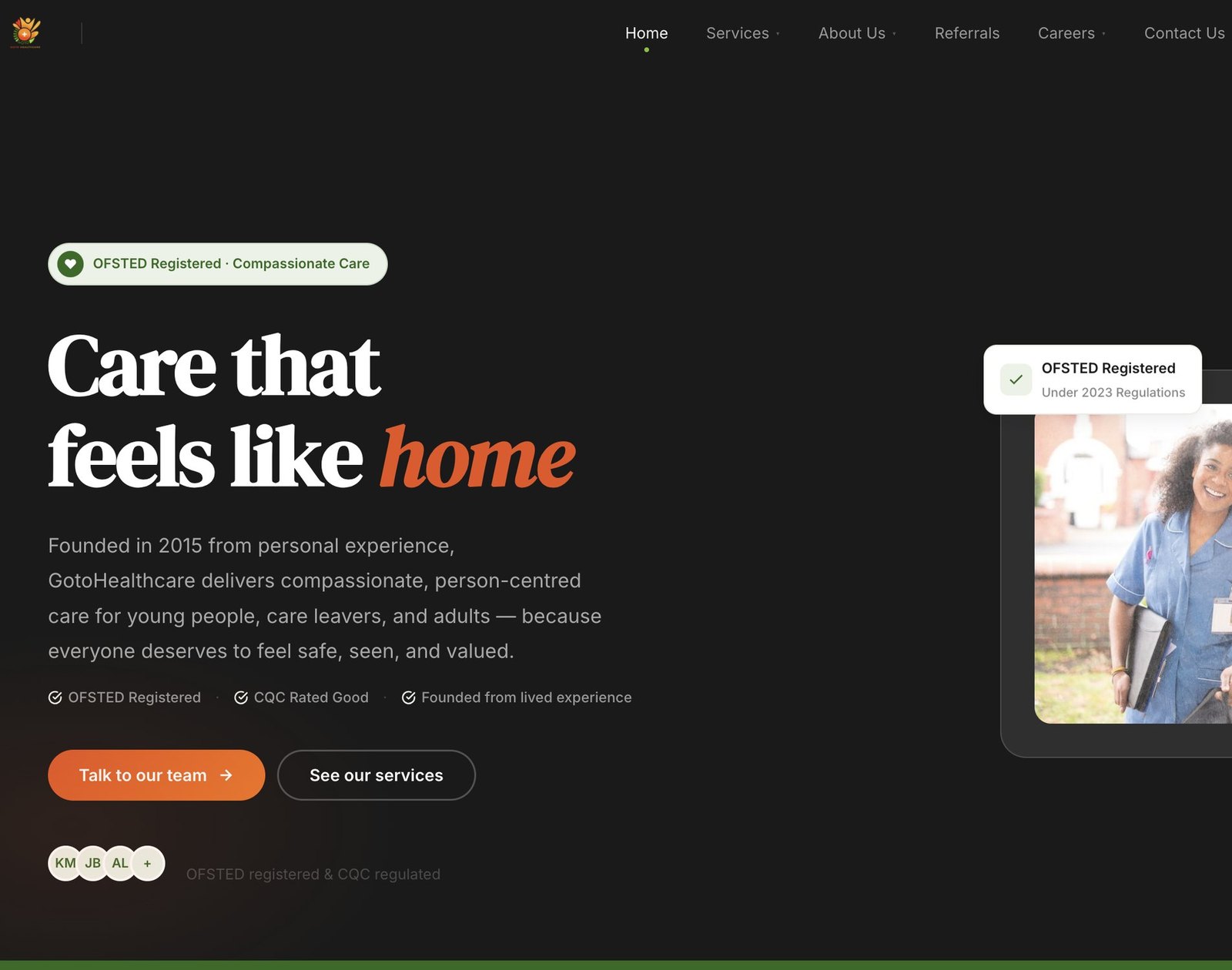
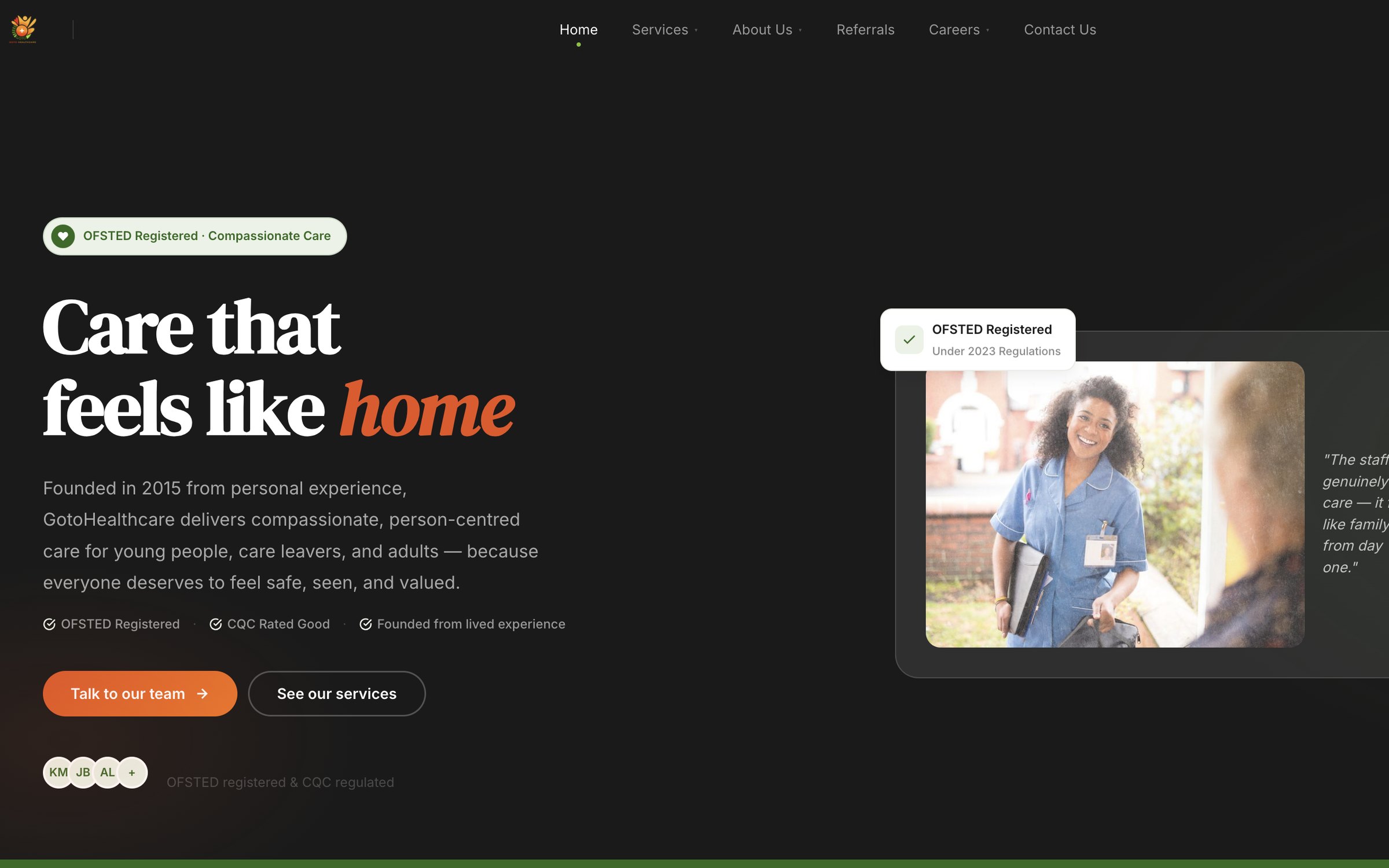
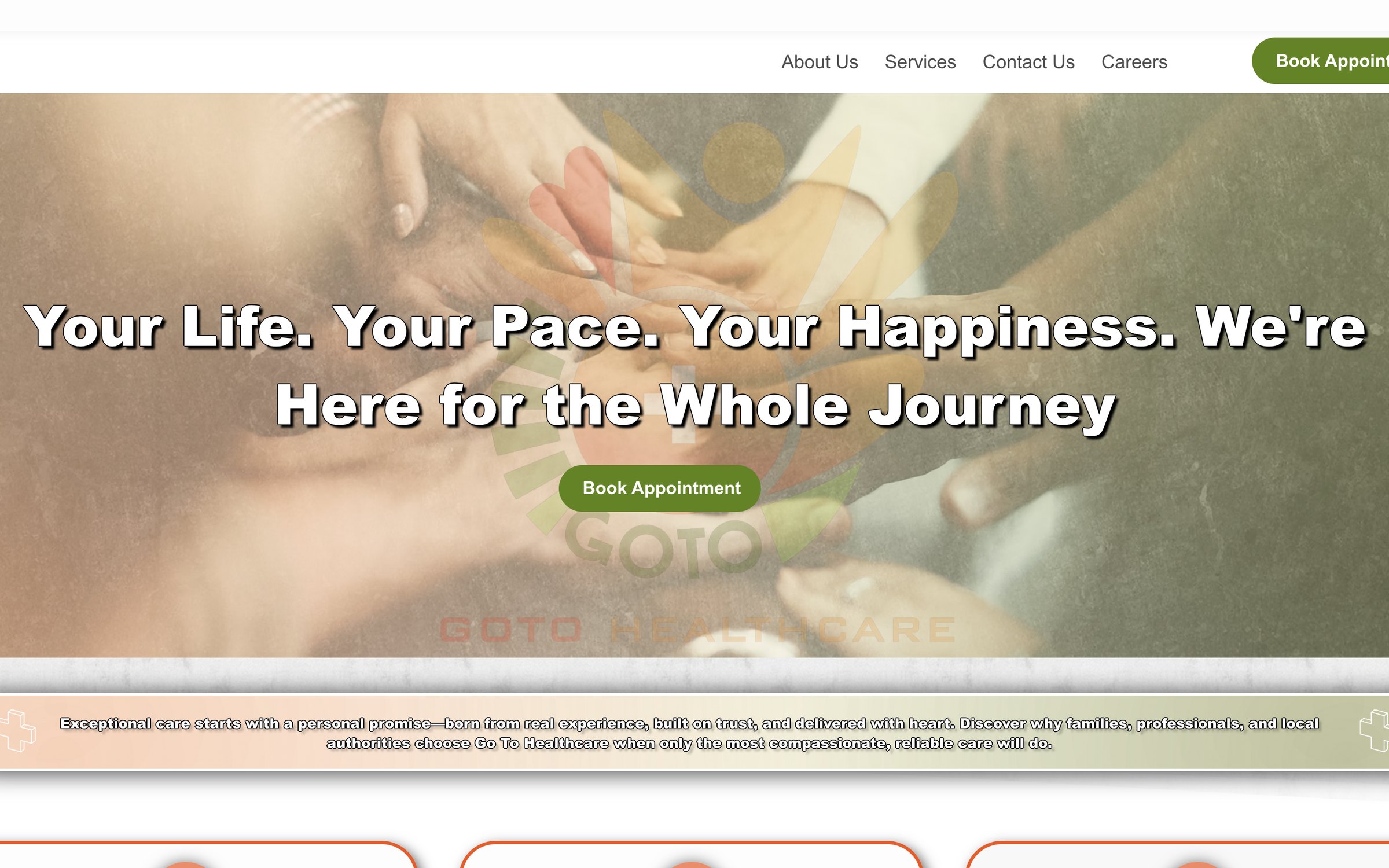
The Confidence Gap · GoToHealthcare · Social Care Client

Reducing drop-off for users seeking social care

Role
UX Researcher & CRO Specialist
Scope
End-to-end
Ownership
Sole researcher — set the research plan, ran both test rounds, presented to stakeholders, and argued the content-reduction decision against initial client preference.

The client believed the site needed rebuilding. Before committing to that, I tested whether the evidence agreed — and which problems a redesign would actually solve.

Exits were happening on Services and About — not the contact form. The problem was structural, not the form.
Measured outcome · client engagement

↓11%drop-off reduced
UX ResearchCROService Design
Hotjar
Dovetail
Miro
Figma
Sheets

They came in expecting a redesign. The evidence had a narrower answer.

Read the research → 8 min read

ACROSS CONTEXTS

The sector changes. The question rarely does.

These studies span second-hand retail, social care, consumer electronics and a consumer AI product. The industries have almost nothing in common — but the behavioural question underneath each one is close to identical: intent exists, and something in the experience is spending it before it converts. What changes is which signals carry weight, and that is what the research is for.

E-commerce & retail

Where the barrier is confidence, not price. The behavioural question is what a buyer needs to believe before they will commit — and which reassurance has to appear before the decision, not after it.

Trust · PDP & checkout · CRO

Product & SaaS teams

Where analytics show what happened and nobody has time to establish why. The research question is which of several plausible explanations the behaviour actually supports.

Onboarding · Activation · Retention

Service & care platforms

Where people arrive under pressure, often deciding for someone else. Reassurance carries more weight than persuasion, and a drop-off is somebody who did not get help.

Service design · Accessibility · Trust

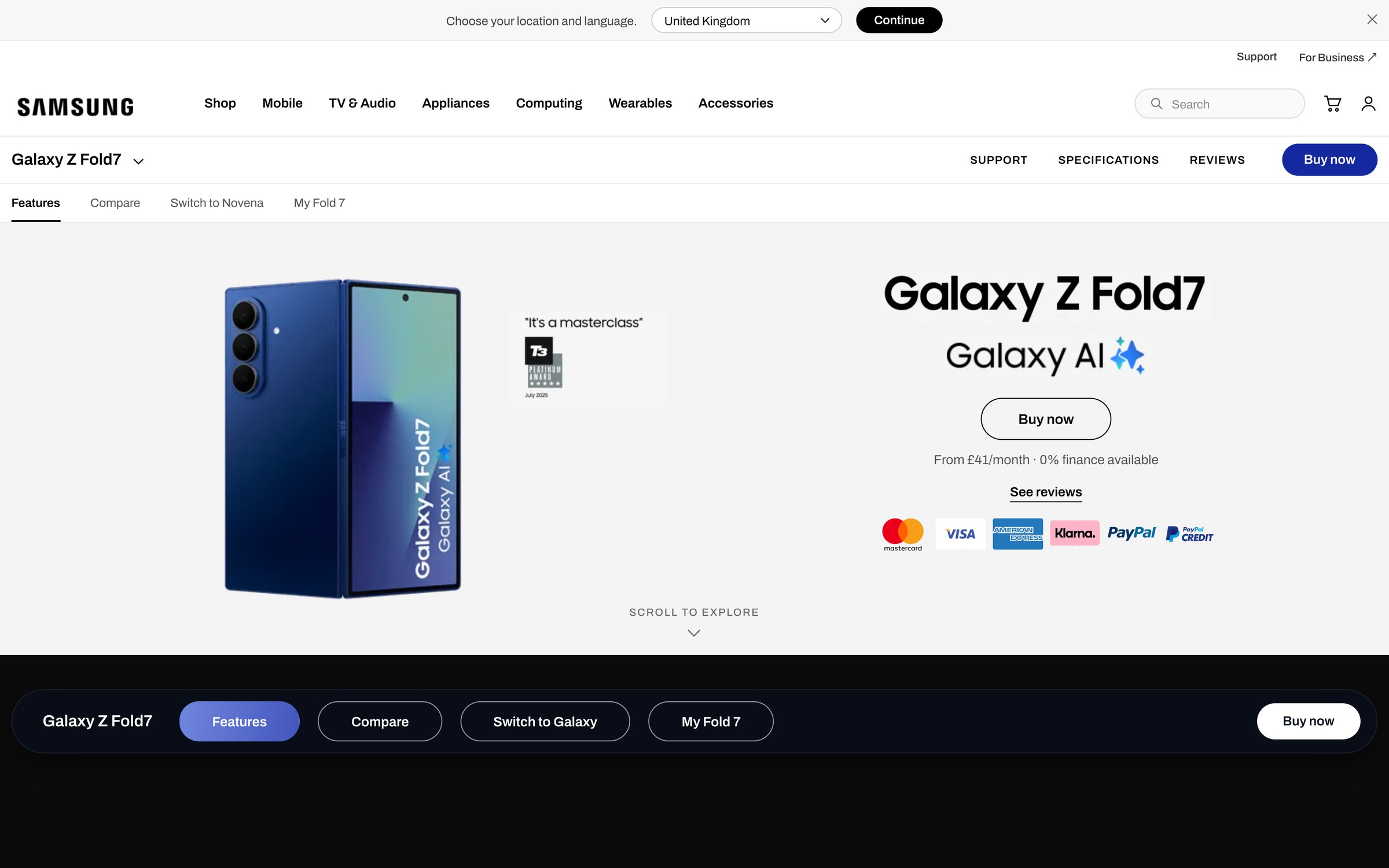
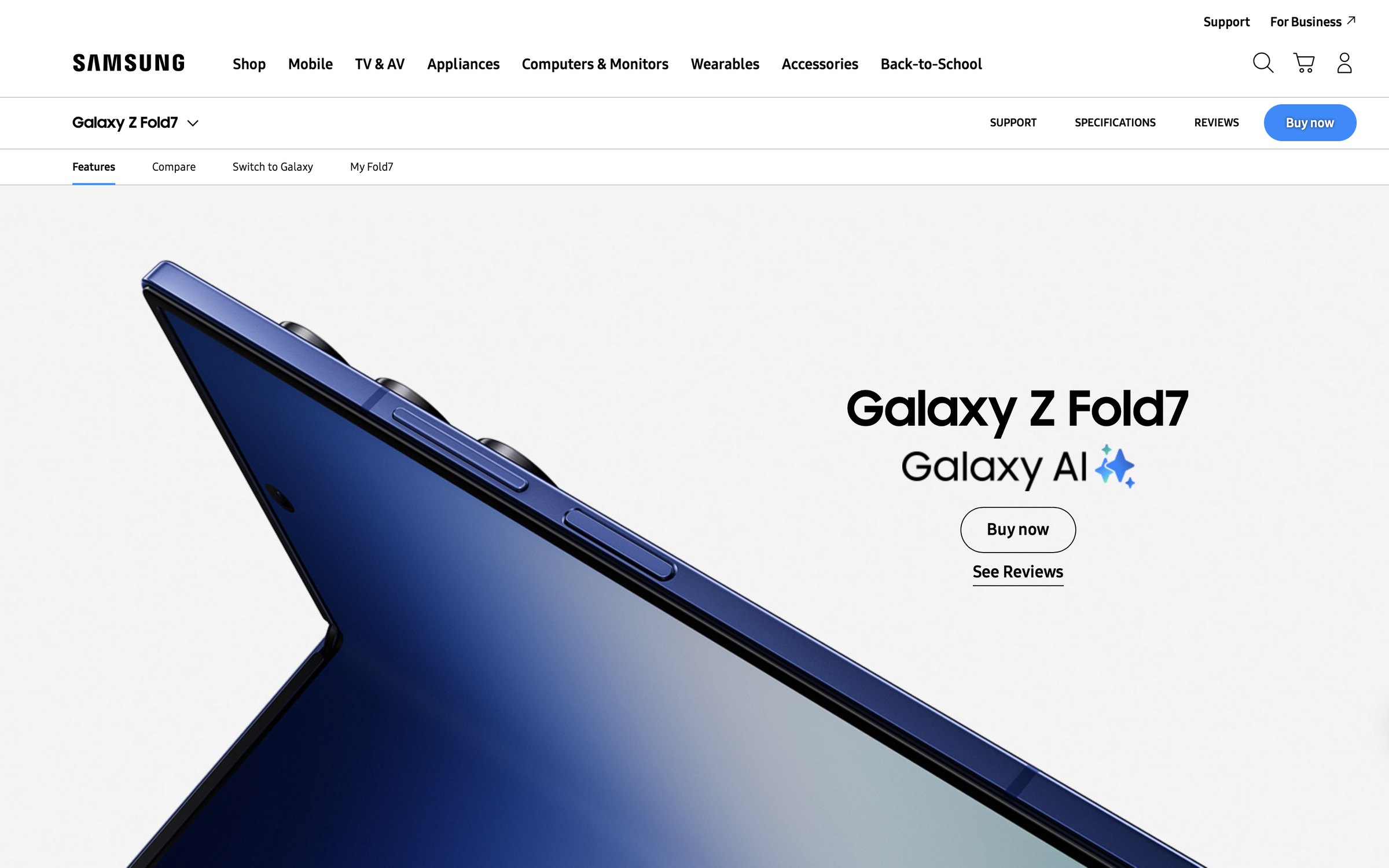
The False Bottom · Samsung · Consumer Tech Exploration

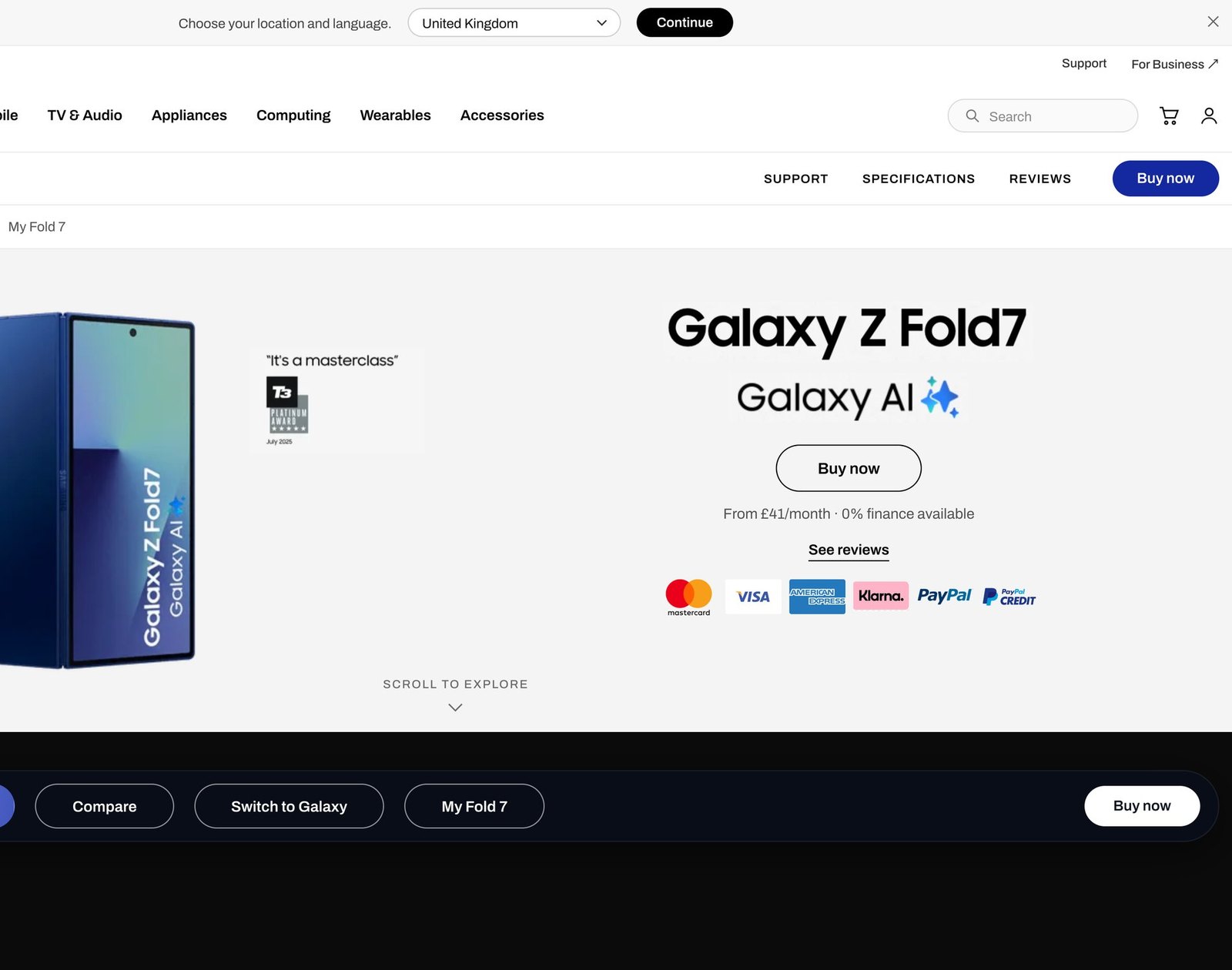
Fixing a false bottom on a premium PDP

Role
CRO Specialist
Timeline
3 weeks
Ownership
Sole analyst — built the experiment framework, hypotheses and win criteria.

Behavioural benchmarks suggested most visitors never reach the persuasive material below the hero. Four isolated experiments, each with a defined win criterion, to test whether placement is the fix.

Before it was a content problem, it was a visibility problem.

Experiment design · proposed, not run

4isolated experiments designed
CROBehavioural
Figma
Sheets

The hero wasn't too big. It was hiding the reason to buy.

Explore the experiment → 6 min read
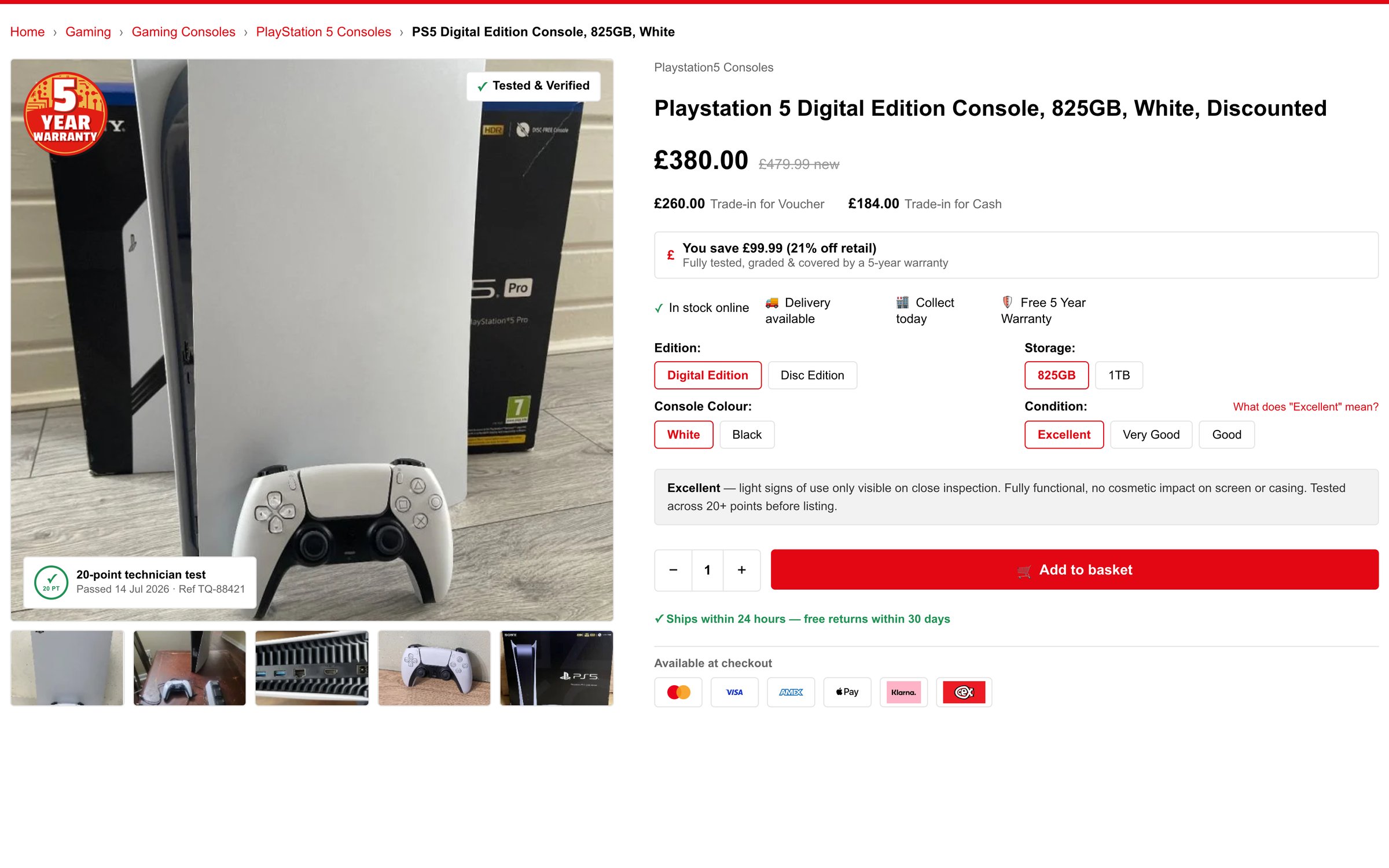
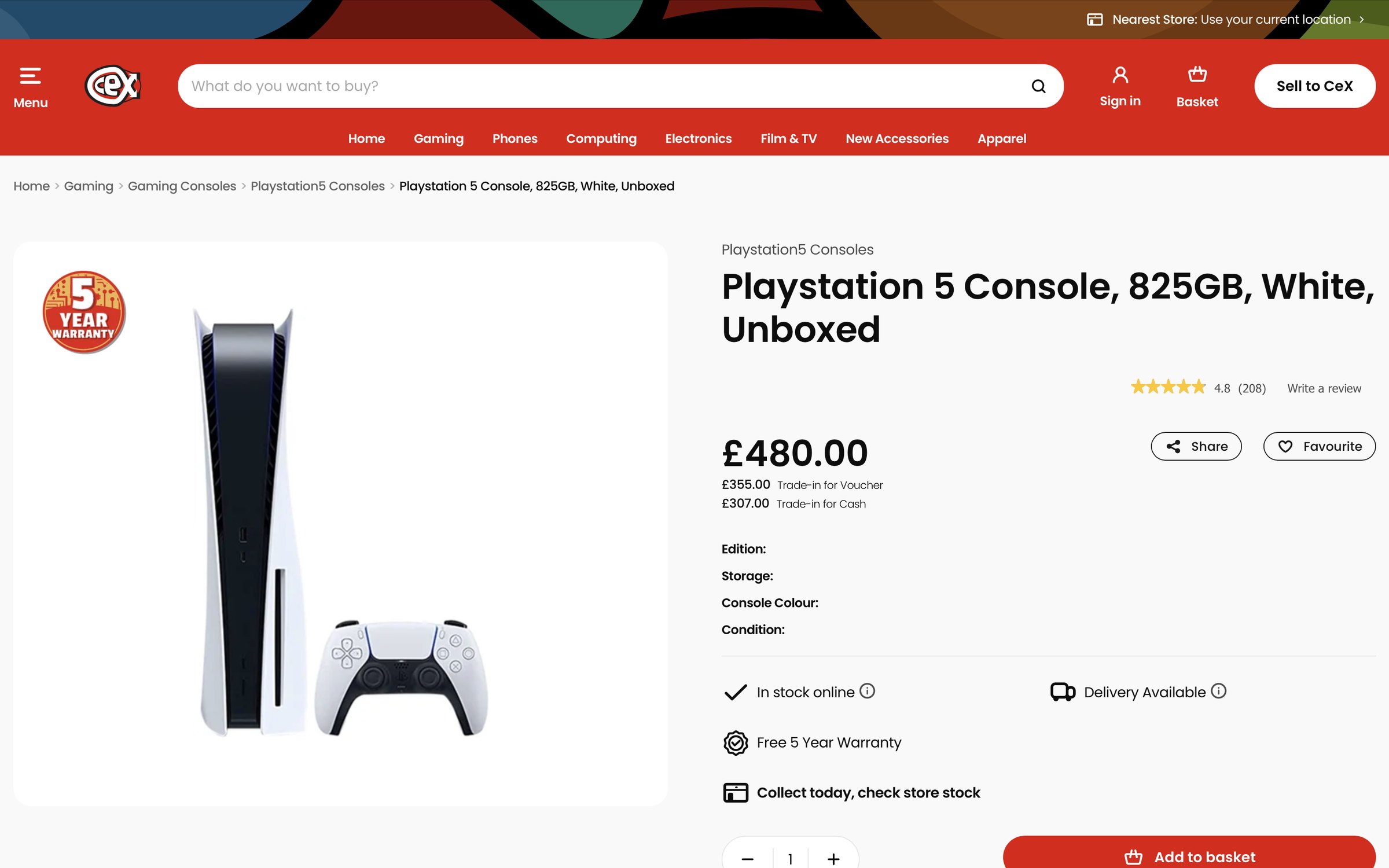
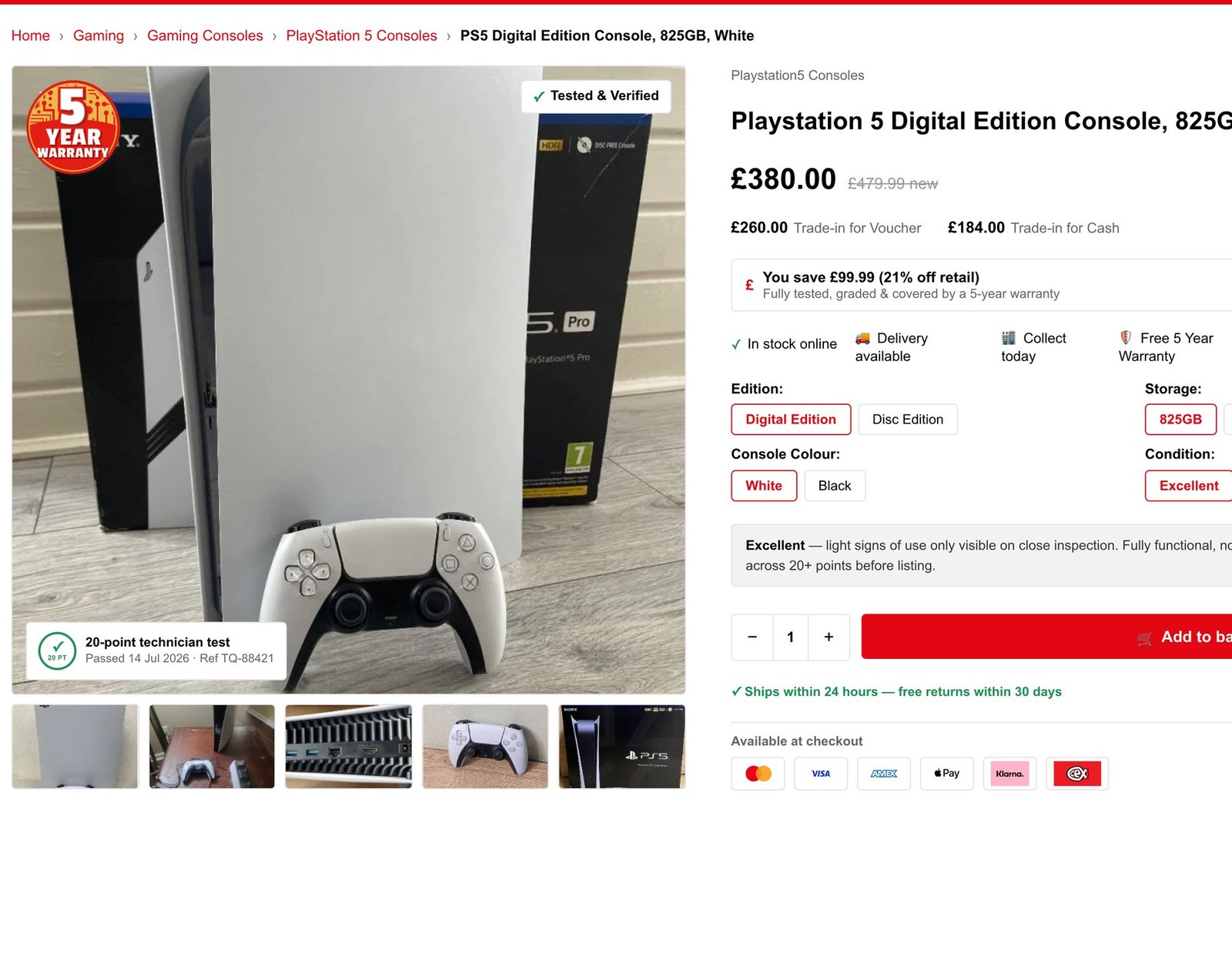
The Trust Gap · CeX · E-Commerce Exploration

Closing the trust gap on second-hand retail

Role
UX Researcher & CRO Consultant
Timeline
5 weeks
Ownership
Sole researcher and designer — recruited participants, ran all sessions, produced the redesign concept.

Warranties, verification and return protection weren't visible at the point of decision. Eight participants across two cohorts showed where trust broke down — and where reassurance needed to move.

7 of 8 participants couldn't interpret the condition grades. Price wasn't the objection; the absence of a reason to trust it was.

Research scope · qualitative study

8participants · 2 cohorts
UX ResearchCROBehavioural
Figma
Dovetail
Maze
Sheets

People didn't need more information. They needed a reason to trust it.

See the investigation → 7 min read
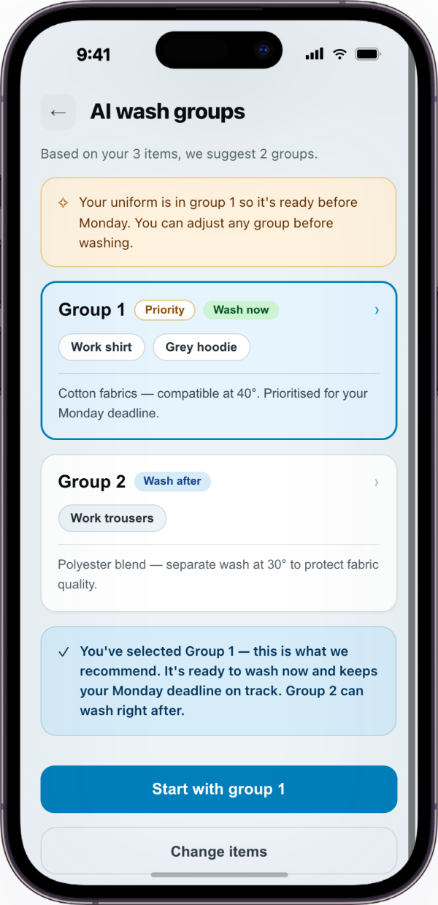
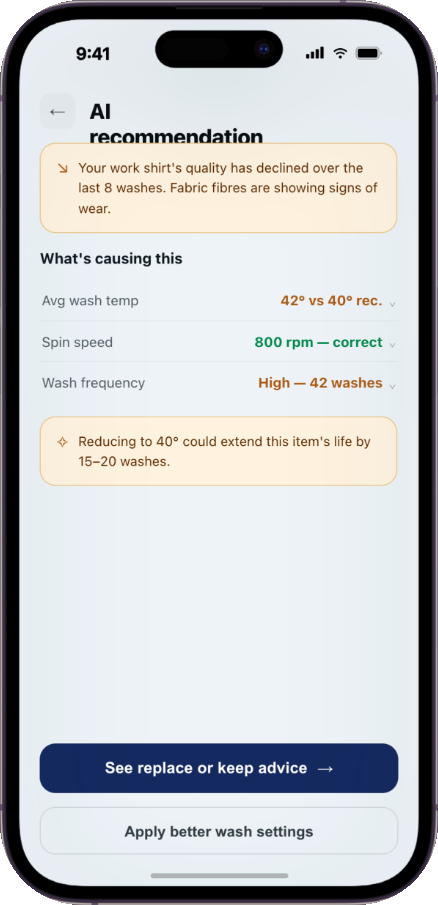
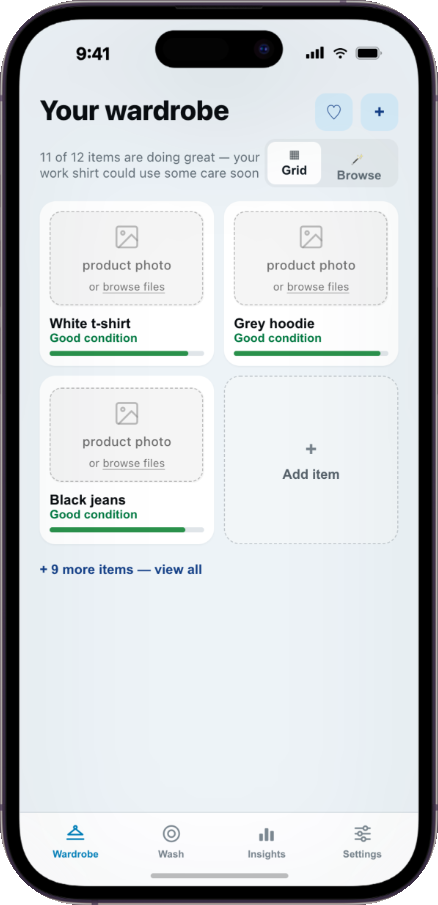
The Laundry Companion · WiseLaundry · Consumer AI In progress

Designing an AI companion that transforms everyday laundry

Role
Product Designer & Researcher
Status
Ongoing
Ownership
Sole designer and researcher — concept, prototype and study design.

Helping people move from guesswork to confidence by turning one of the home's most overlooked appliances into a trusted AI-supported experience.

The interface, not the person, is the source of the error.

Prototype scope · in progress

5connected flows prototyped
UX ResearchProduct DesignPrototyping
Figma
Maze
Dovetail

The hard part isn't designing the AI. It's making people believe it belongs in their kitchen.

Research in progress · not yet published

Why these belong together

Four industries. One way of asking.

Good research doesn't begin with answers. It begins with a question worth testing — and the willingness to be wrong about it in public. Every one of these projects ran the same three checks: who is this person right now, what has their industry taught them to expect, and where exactly does the flow break.

Behaviour×Context×Flow=Testable hypothesis